Write It to Wire It: Handwriting for Sharper Focus and Lasting Memory at Work

Today we dive into the neuroscience of handwriting for focus and memory at work, connecting motor control, sensory feedback, and memory systems into a practical, everyday advantage. Studies suggest handwriting recruits richer neural circuits than typing, supporting deeper encoding and steadier attention. You will get field‑tested rituals, page designs, and experiments that fit busy schedules. Expect stories from real teams, candid caveats, and measurable steps you can try today, then share results with peers for collective learning.

Inside the Working Brain When Pen Meets Paper

When your hand moves a pen, motor cortex, cerebellum, and basal ganglia coordinate precise strokes while visual and somatosensory systems provide constant feedback, creating a multisensory loop that naturally tethers attention. This richer activity supports hippocampal encoding through elaboration, summarization, and distinctive motor traces. Instead of passively capturing words, you transform them, generating meaningful signals. The result is steadier focus, more durable memory, and calmer cognitive control during demanding workdays.

Motor loops that quiet noise and stabilize attention

Small, intentional pen movements produce rhythmic patterns that help prefrontal networks down‑regulate distractions, especially when ambient notifications compete for bandwidth. Tactile resistance from paper gives the brain concrete cues, like rails for attention to ride along. Many professionals report that even sketching simple arrows or boxes between ideas steadies racing thoughts. The kinesthetic rhythm works like a metronome for focus, making complex reasoning feel slower, clearer, and easier to sustain through meetings.

Encoding depth and the hippocampal advantage

Writing by hand nudges you to distill, paraphrase, and organize, all of which deepen semantic processing before memories consolidate. That extra elaboration gives the hippocampus richer patterns to bind. Compared with verbatim typing, longhand notes typically highlight connections, decisions, and questions, which are the anchors retrieval loves. This is why a brief handwritten summary often outperforms pages of transcripts. The effort turns fleeting information into sturdy retrieval cues you can actually find later.
The pen–paper sensory stack: vision, proprioception, and friction

Your eyes track letterforms, your fingers feel micro‑textures, and your ears notice faint scratching, forming a layered sensory stack that grounds thinking. These converging signals reduce mind wandering because the brain receives constant evidence that something meaningful is happening now. Even the pressure you apply varies with importance, unintentionally encoding emphasis. Together, these cues create distinctive memory traces. Minutes later, you can picture the page location of a key insight and recover it quickly.

Workday Practices That Leverage Pen and Paper

Handwriting becomes powerful when built into small, reliable rituals that respect modern schedules. Short capture sessions, structured meeting notes, and clean analog‑to‑digital handoffs create continuous cognitive benefits without slowing work. These habits reduce decision fatigue, expose priorities, and ensure ideas survive beyond today’s urgency. You will find each practice concrete, time‑boxed, and adaptable to hybrid workflows, helping you protect focus and improve memory while collaborating across tools and time zones.

Margins that breathe and guide eye movements

Create a generous left margin for cues and a narrower right margin for sketches, references, or risks. This framing supports predictable eye saccades, making scanning fast and retrieval easier days later. Add small icons beside cues—lightbulbs for insights, chain links for dependencies—to economize space without cognitive overload. By embracing whitespace as an active tool, you relieve working memory, lower stress, and consistently surface what truly matters when deadlines compress attention and energy.

Headings, cues, and purposeful doodles

Use concise headings and compact visuals—timelines, swimlanes, and arrows—to express relationships words would bury. Purposeful doodles are not decoration; they are anchors that exploit the picture superiority effect. Sketch the customer journey as boxes and hand‑drawn arrows, then mark friction points with exclamation icons. People remember shapes faster than sentences. Keeping doodles simple prevents rabbit holes while preserving depth. Over time, your notebook accumulates a visual vocabulary that accelerates comprehension under pressure.

Color coding that respects cognitive load

Limit your palette to three roles: blue for ideas, red for risks, green for actions. This keeps color meaningful without overwhelming attention. Too many shades become noise, not signal. Reserve highlighters for final pass emphasis rather than real‑time capture to avoid breaking flow. Weekly, test whether color still communicates intention by covering labels and reading only hues. If understanding collapses, adjust rules. Simplicity sustains speed and memory, especially during complex, cross‑functional work.

Speed, Legibility, and the Mechanics of Memory

Handwriting should be legible enough for future you and fast enough to keep pace with thinking. The sweet spot balances deliberate strokes for comprehension with swift symbols for capture. Consistent letterforms reduce decoding costs later, protecting recall. A few tactical abbreviations, stable spacing, and selective cursive joins keep tempo without turning pages into puzzles. This mechanical kindness compounds: you reread more, retrieve faster, and close loops sooner, reinforcing confidence and momentum across projects.

Slow enough to think, fast enough to capture

Aim for a tempo that lets you paraphrase rather than transcribe. Many professionals find a comfortable rhythm slightly slower than typing, which naturally enforces summarization. Use abbreviations for repeating terms and arrows for causal links. During complex discussions, jot headlines first, details second, decisions last. This layered capture mirrors how memory consolidates, preventing overload. The goal is not pretty pages; it is precise thinking you can reconstruct tomorrow without regret or wasted effort.

Letterforms that reduce ambiguity

Choose open shapes and consistent slant to avoid misreading under stress. Distinguish ones from lowercase L, zeros from capital O, and use a crossed seven if it helps. Print acronyms in block capitals, keep numerals large, and avoid overly ornate loops that blur at speed. Legibility at a glance is a kindness to future tasks. Clear glyphs cut friction, turning post‑meeting review into swift action instead of detective work on your own handwriting.

A hybrid style you can maintain under pressure

Blend fast, connected strokes for common words with clear printing for names, numbers, and acronyms. Create personal shorthand for routine phrases—w slash for with, arrow for leads to, triangle for decision—and practice until automatic. Under pressure, this hybrid preserves speed without sacrificing clarity. It scales across days with different energy levels, delivering consistent capture and dependable recall. Over weeks, the style becomes muscle memory, freeing attention for relationships rather than letter‑level mechanics.

Desk setup that invites the first stroke

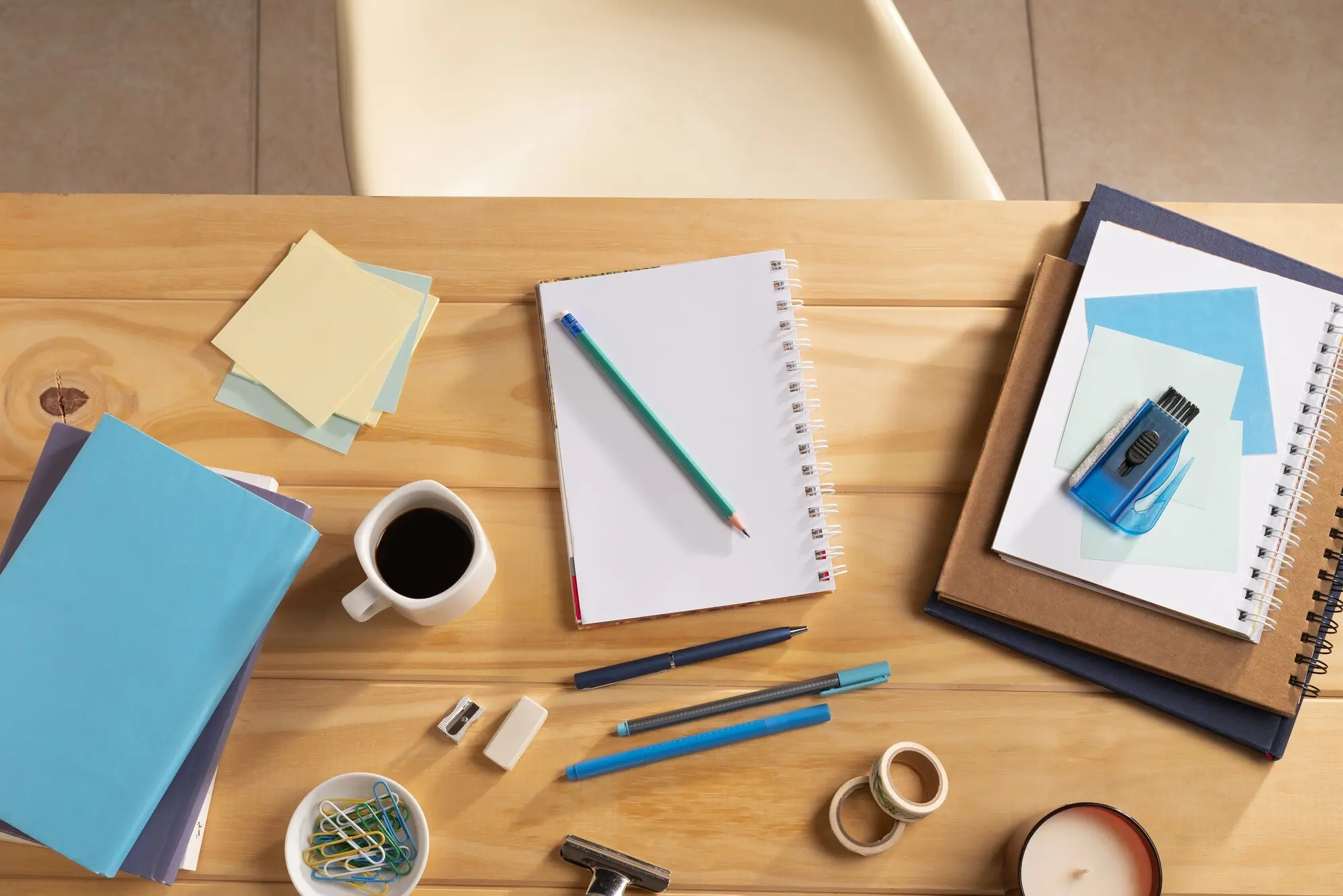
Keep one reliable pen, a slim notebook, and a clear writing zone within easy reach. Store extra markers and specialty tools elsewhere to reduce choice overload. Position a small timer and place your phone face down. Many readers report that simply opening the notebook to yesterday’s page lowers resistance and kick‑starts action. The environment whispers, start here. When the first line appears quickly, momentum follows, and attention stabilizes before email can pull it away.

Analog breaks that clear cognitive residue

Between tasks, take a two‑minute pen break: breathe, write one sentence describing what you just finished, then one intention for what comes next. Draw a tiny divider line to mark the shift. This ritual prevents context leakage and rumination, giving your brain closure cues. It feels small but delivers outsized calm. People who adopt it often report fewer afternoon stalls and easier restarts after interruptions, because memory has a clear hand‑drawn bridge between segments.

Team agreements that normalize notebooks

Agree that meetings welcome notebooks, that action items are boxed and read aloud at the end, and that page photos join the shared record. Normalize brief silent writing moments to clarify decisions before speaking. One product team cut revisits by documenting on paper first, then uploading essentials, creating transparent, human‑readable trails. These agreements protect collective attention, reduce performative multitasking, and reward clarity. Invite colleagues to try for one sprint and share reflections afterward.

Evidence, Caveats, and Smarter Experiments

Research indicates handwriting often boosts conceptual understanding and memory compared to typing, but context matters. Task type, prior knowledge, and note‑taking strategy all influence outcomes. Treat handwriting as strategic friction that helps when you need depth, not a universal fix. Blend analog capture with digital organization and test results in your workflow. Track recall, follow‑through, and meeting rework rates. Share data with teammates, iterate together, and keep what measurably improves clarity, speed, and confidence.
Sentoviropexitavolivopalo
Privacy Overview

This website uses cookies so that we can provide you with the best user experience possible. Cookie information is stored in your browser and performs functions such as recognising you when you return to our website and helping our team to understand which sections of the website you find most interesting and useful.